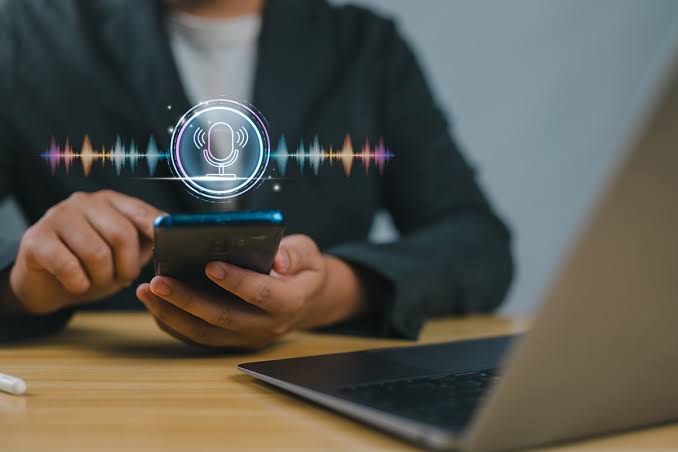
Recording a conversation can be lawful in one situation and unlawful in another. Federal law provides an important baseline, but states may impose stricter consent requirements. Location, who participates in the conversation, how it is recorded, and whether the speakers reasonably expect privacy can all affect the analysis.
What Does Federal Recording Law Say?
Federal law generally prohibits intentional interception of wire, oral, or electronic communications unless an exception applies. One federal exception permits a person who is a party to the communication, or who has consent from one party, to intercept it unless the interception is undertaken for a criminal or tortious purpose.
The statutory language appears in 18 U.S.C. § 2511. State law may impose additional restrictions, so the federal rule should not be treated as the final answer in every recording situation.
Research into consent rules may also lead through published notice resources, but local statutes and appellate decisions deserve priority.
Why State Consent Rules Matter
Some jurisdictions permit recording when one participant consents, while others impose broader consent requirements in circumstances covered by their statutes. Interstate calls can become complicated when participants are located in different states.
Before recording a sensitive conversation, determine where everyone is located and which state’s law may govern. People reviewing legal material through justice research pages should avoid assuming that the law of the recorder’s location automatically controls every interstate dispute.
Audio and Video Are Not Always the Same
A camera that captures images without sound may raise different legal questions from a device that secretly records a private conversation. Turning on audio can trigger interception laws that would not necessarily apply to silent video.
The setting also matters. Recording a public event presents different privacy concerns from secretly capturing a private conversation in a location where confidentiality is expected. General online publishing material cannot resolve those fact-specific consent questions.
| Scenario | Issue to Check | Potential Concern |
|---|---|---|
| Phone call | State consent law | Interstate rules may differ |
| Private meeting | Audio interception | Consent may be required |
| Public event | Privacy expectations | Usually more limited |
| Security camera | Audio and location | Separate rules may apply |
Common Recording Mistakes
The biggest mistake is assuming that participating in a conversation always gives an unrestricted right to record it. Federal law provides a one-party framework in qualifying circumstances, but stricter state requirements can still matter.
Another error is assuming a lawful recording can always be published without consequence. Publication can raise separate issues involving privacy, confidentiality, contractual duties, court orders, workplace policies, or other laws.
When to Get Legal Advice Before Recording
Professional advice is sensible before secretly recording sensitive workplace meetings, confidential business discussions, interstate calls, conversations involving minors, or interactions likely to become evidence in litigation.
Advice may also be important after discovering an unauthorized recording. Whether civil remedies, criminal rules, exclusion of evidence, or another response is available depends heavily on the jurisdiction.
Frequently Asked Questions
Can I legally record my own phone call?
Federal law generally permits qualifying one-party consent, but state law may require more. Because interstate conversations can involve competing state rules, checking the laws connected to every participant is the safer approach.
Does putting a call on speakerphone count as consent to recording?
Not necessarily. Allowing another person to hear a conversation and consenting to a permanent recording are different issues. The surrounding facts and applicable state interception law determine the result.
Are security cameras covered by recording laws?
They can be. Silent video and audio recording may be treated differently, while location and privacy expectations can also matter. A camera that records sound may trigger rules that do not apply to video alone.
Check Consent Before Pressing Record
A few seconds of legal checking can prevent a recording from creating a larger dispute. Identify the states involved, determine whether audio is being captured, consider privacy expectations, and verify the applicable consent rule before making a secret recording.
This article provides general legal information and is not a substitute for advice from a qualified attorney.